
Mastering Executive Function: Strategies for Success


Understanding Executive Function
Executive function is a set of cognitive processes that are crucial for managing oneself and one's resources to achieve a goal. It includes skills like working memory, flexible thinking, and self-control. These skills are essential for planning, focusing attention, remembering instructions, and juggling multiple tasks successfully.
Strong executive function skills can significantly impact personal and professional success. They help individuals navigate complex environments, make informed decisions, and adapt to changing circumstances. Conversely, difficulty with executive function can lead to challenges in organizing thoughts, managing time, and executing plans.

Strategies for Enhancing Executive Function
Developing Self-Awareness
The first step in improving executive function is to cultivate self-awareness. Understanding your strengths and weaknesses enables you to tailor strategies that enhance your cognitive skills. Regular self-reflection can help you identify patterns in your behavior and adjust your approach as needed. Are you often forgetful? Is starting tasks difficult, but once the ball is rolling you're able to get things done? Is emotion regulation something challenging for you.
Consider maintaining a journal to track your progress and reflect on your daily experiences. This practice can offer insights into areas where you excel and those that require more attention.
Improving Time Management
Time management is a critical component of executive function. Effective time management strategies can help you prioritize tasks and allocate your time efficiently. One popular method is the Pomodoro Technique, which involves breaking work into intervals, traditionally 25 minutes in length, separated by short breaks.
- Choose a task you want to work on.
- Set a timer for 25 minutes.
- Work on the task until the timer rings.
- Take a short break (5 minutes).
- Repeat the process.
Similarly, carve out a distraction free "power hour"... even if it is only 10 minutes where you have dedicated focus time. Regulalrly build these into your routine. You can also try to gamify time management. For example, how much cleaning can you get done while you have something baking in the oven for the next 20 minutes?

Enhancing Cognitive Flexibility
Adapting to Change
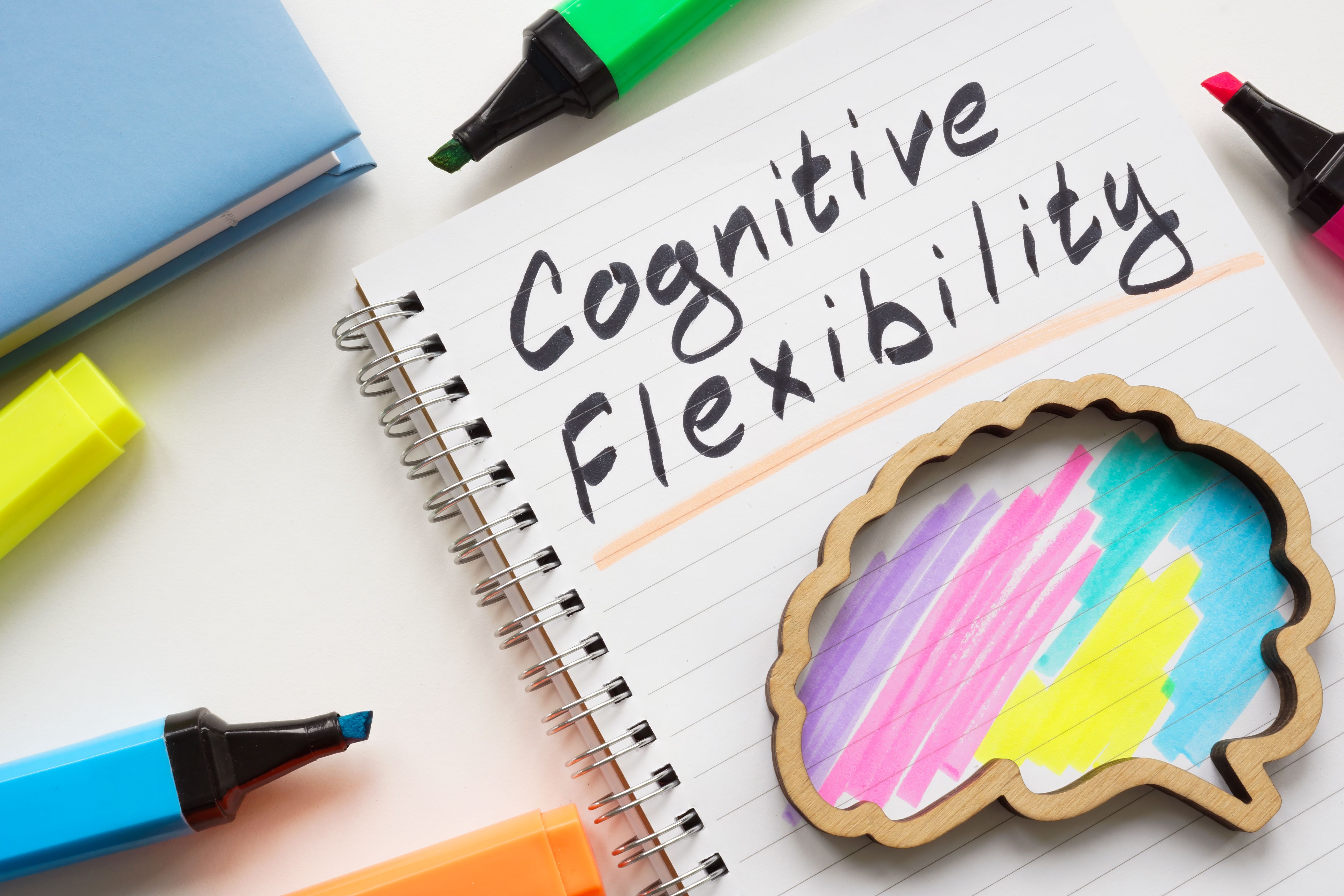
Cognitive flexibility is the ability to adapt to new information or changing circumstances. This skill is essential for problem-solving and innovation. To enhance cognitive flexibility, challenge yourself with new experiences and perspectives. Engage in activities that require you to think differently, such as learning a new language or playing strategy-based games.
Additionally, try to embrace change rather than resist it. View challenges as opportunities to grow and develop new skills, which can lead to improved problem-solving abilities. Being overly rigid can often result in feeling overwhelmed when unexpected changes pop up. When uncertainty visits anxiety rides alongside. Therefore, to manage uncertainty and overwhelm release some control on how things are "supposed to be" and be present to how things actually show up, then adjust accordinly.
Building Resilience
Resilience is the capability to recover quickly from difficulties. Building resilience involves developing a positive mindset and learning to manage stress effectively. Practices such as mindfulness and meditation can help improve emotional regulation and reduce stress, which in turn enhances executive function.
- Practice gratitude by acknowledging positive aspects of your life. A daily gratitude practice of noticing a few things every day you are grateful for has a huge payoff to effort ratio.
- Engage in regular physical activity to boost mood and energy levels. Numerous studies are reporting that regulary exercise is equal to if not having greater efficacy on mental health issues than antidepressants. Move your body, it is hugely important.
- Build a supportive network of friends and family.
By incorporating these strategies into your daily routine, you can strengthen your executive function skills, leading to greater success in both personal and professional endeavors.